Mix your brake formula

Seven NETZSCH Racing pad formulas, from a quiet street pad to a 1200°C GT race compound. Tell our lab boy how you drive and he mixes yours, then dresses for it.

The formula lab

Three answers, one formula. Change any answer and he mixes again, then changes into what that formula wears.

A pixel-art brake-pad lab: jars of ceramic, carbon and copper powders, a mixer, a press and a dyno with a glowing disc The NETZSCH lab boy in a lab coat, holding a flask

Hi! Tell me how you drive and I'll mix your brake formula.

Where do you drive?
How hot do your brakes get?
A brake disc that glows as the temperature rises500°C
What matters most? Pick two.

Your formula appears here.

The lab reads friction from each formula's tested curve, 100 to 1000°C.

Low dust
Quiet
Bite
Long life
No fade
Control

Formula book: 0 of 7 found

The brake test

Pick a formula and a speed, brake at your board and stop the car in the yellow box. Five stops in a row: every stop heats the disc, and a pad pushed past its rating fades.

Formula
Speed into the corner
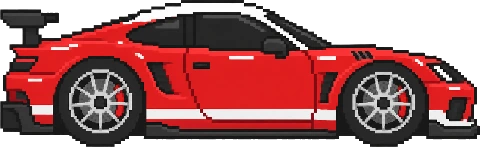
Pixel-art race circuit: a grandstand full of fans, trees and candy-coloured boards along the straight A red pixel-art GT race car, side on
The lab boy, your race engineer

NG50 at 160 km/h. Press Go, then brake at your board and stop in the yellow box.

160km/h
The front disc, glowing with its temperature150°Cdisc
0.49μ now
300 mto the line
  1. 1Stop 1
  2. 2Stop 2
  3. 3Stop 3
  4. 4Stop 4
  5. 5Stop 5

A game, not a test report. Braking force follows each formula's tested friction curve (100 to 1000°C) with the same car, tyres and pedal for all seven; every stop heats the disc and each lap cools it. How fast a pad fades past its rating is our own simplification.

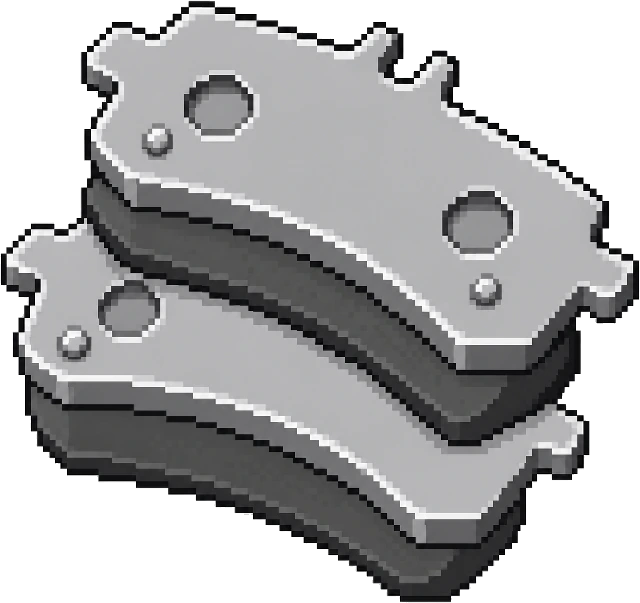
Brake Soul an NH65 brake pad: your daily pad the lab boy in a hoodie comes from the lab that wins the lab boy with a trophy endurance races.

Born from the track, built for the road

NETZSCH Racing was founded with one obsession: to engineer braking compounds that deliver unwavering confidence from the first corner to the last. Our journey began in 2011 with pure racing R&D, developing friction materials tested under the most demanding motorsport conditions.

Over a decade of relentless refinement has produced seven distinct product series, spanning synthetic ceramics to high-performance carbon metal compounds. Each formula is calibrated for where it will be used, whether that is a quiet morning commute or the intense heat of GT-class endurance racing.

Our philosophy is simple: every brake pad carries the soul of the track. We call it Brake Soul: the belief that racing-grade engineering should be accessible to every driver who demands more from their brakes.


The road so far

  1. 2011Brand founded, racing compound R&D begins
  2. 2014First track-proven compound validated in competition
  3. 2017Street series launched for daily performance drivers
  4. 2018Partnership with professional racing teams established
  5. 2020Full 7-series product lineup completed
  6. 2022International market expansion across Asia-Pacific
  7. 2024GT Formula Race Edition released for top-tier motorsport
13+Years of R&D
7Pad series
4Tiers, street to GT
1200°CNH70 rating

Calipers and discs

Three forged calipers and one disc formula, each with its own page. Not sure which caliper fits? The lab picks it for you.

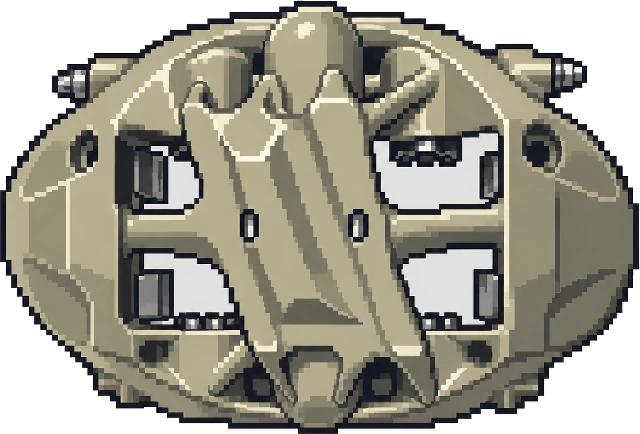
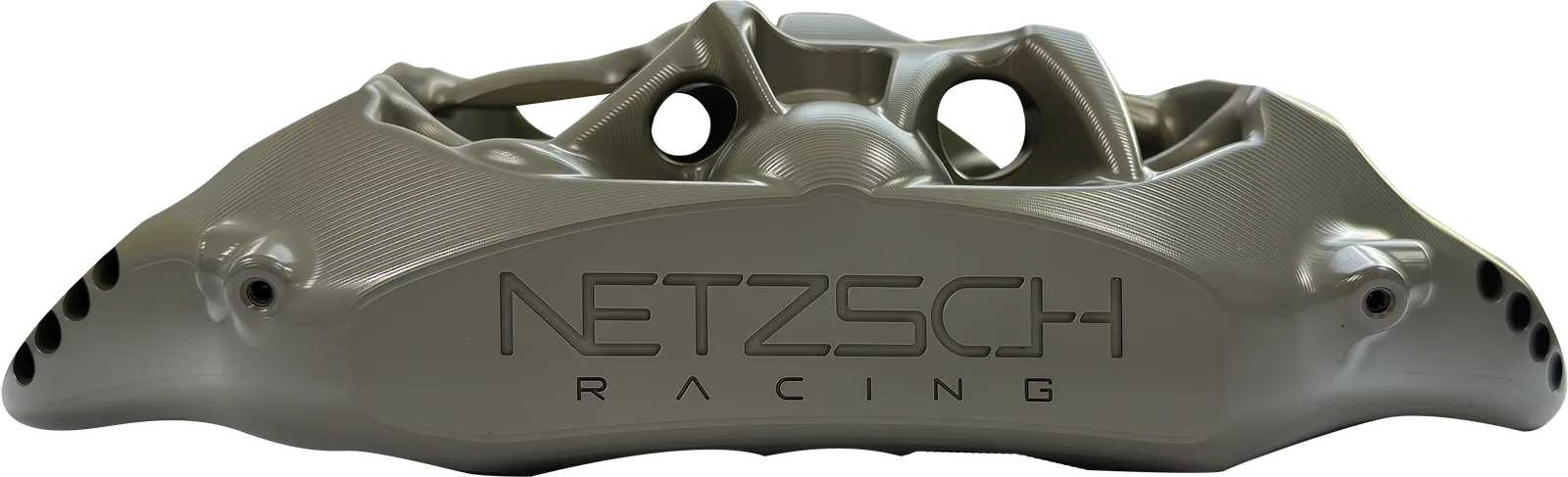
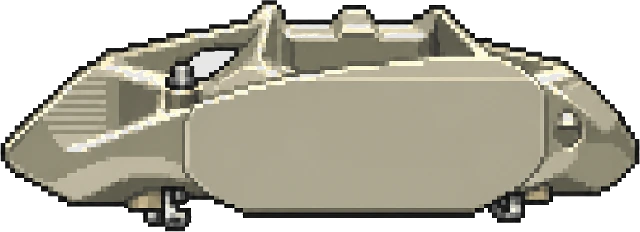
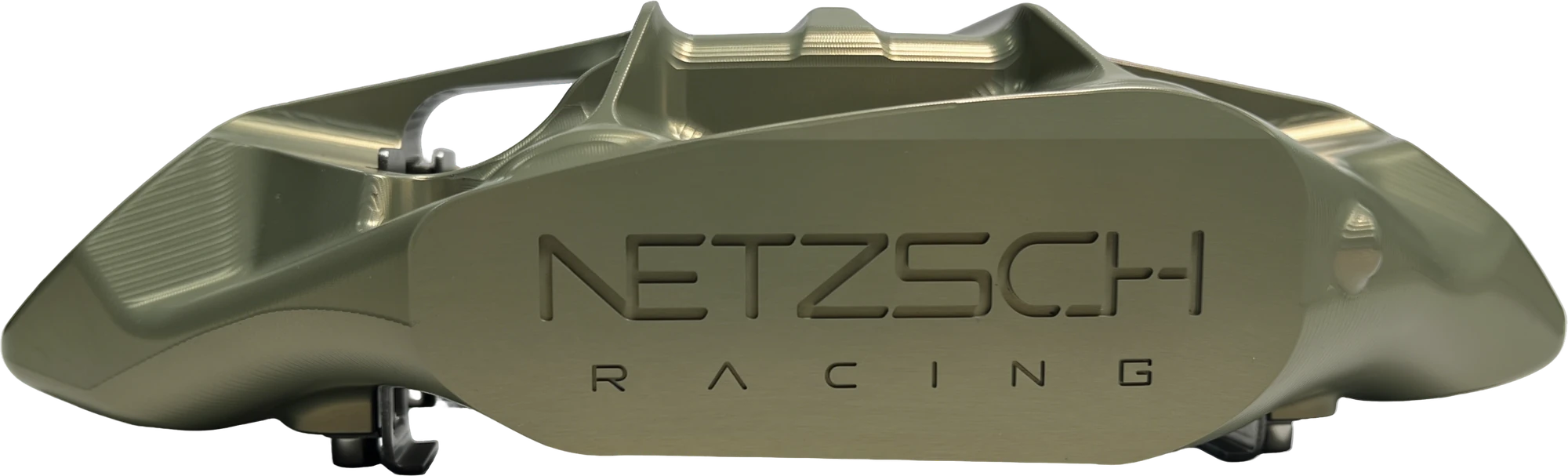
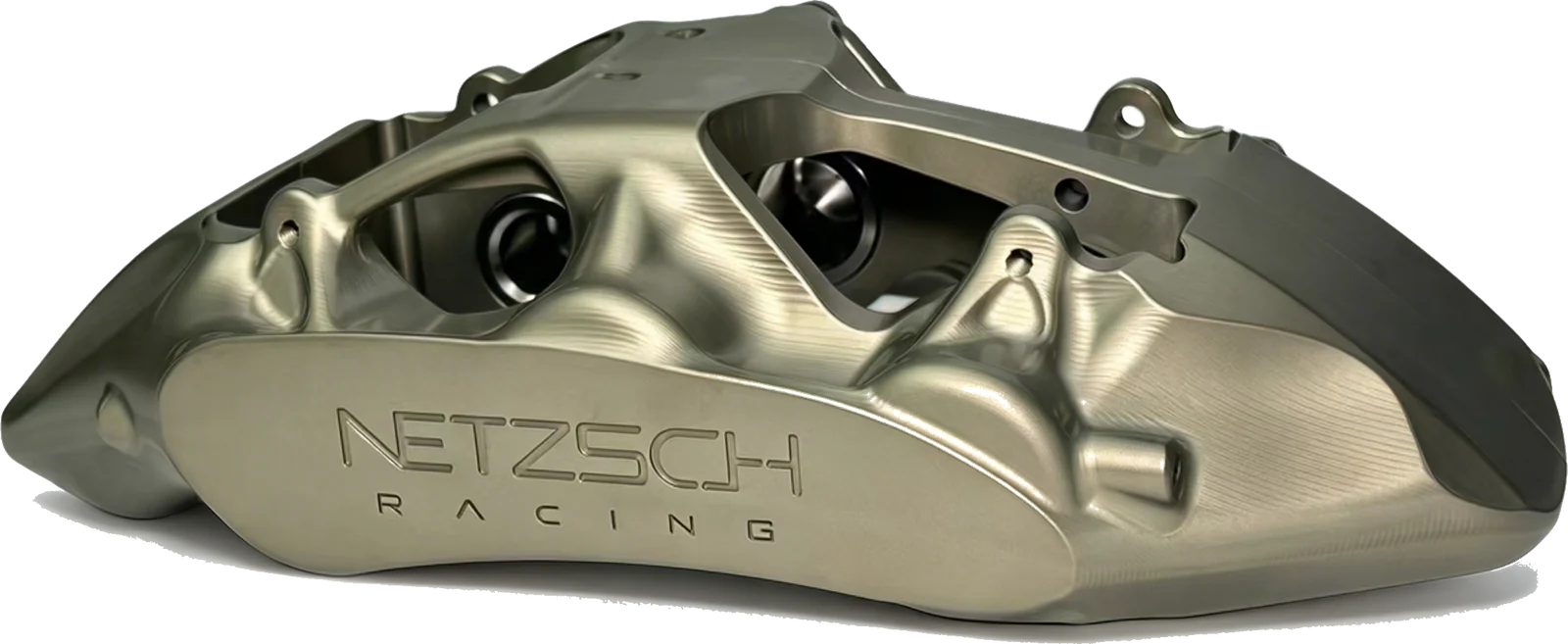
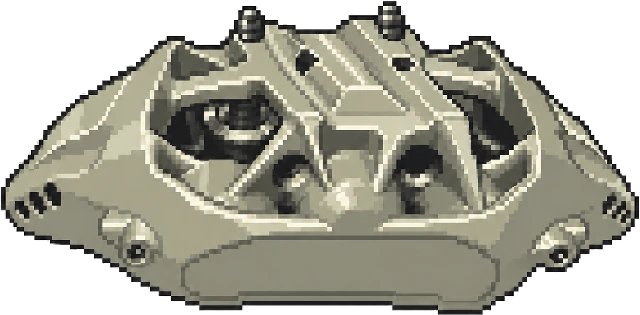
NH-6 caliper, pixel artNH-6 caliper, photographed

NH-6

Race · One-piece forging, 7075 aluminium

Pistons
6
Piston area
61.9 cm²
Weight
3.7 kg
Discs
355 or 378 mm
Wheels
18 or 19 in

Road vehicles in classes M1 and N1 up to 3,000 kg design gross mass: large and performance sedans, SUVs, pick-ups and new-energy cars.

Meet NH-6
NH-4 caliper, pixel artNH-4 caliper, photographed

NH-4

Race · One-piece forging, 7075 aluminium

Pistons
4
Piston area
53.09 cm²
Weight
2.66 kg
Discs
300 to 355 mm
Wheels
15 to 19 in

Light race and sports cars: Toyota 86, Subaru BRZ, Honda Civic Type R, BMW 1 Series, Audi S3.

Meet NH-4
NG-6 caliper, pixel artNG-6 caliper, photographed

NG-6

Street and track · Two-piece forging, 7075 aluminium

Pistons
6
Piston area
54.95 cm²
Weight
3.24 kg
Discs
355 or 380 mm
Wheels
18 in and up

Mid-size sports and performance sedans: VW Golf GTI, Mercedes-AMG A45, Audi A4L, Ford Mustang. For street builds and club racing.

Meet NG-6
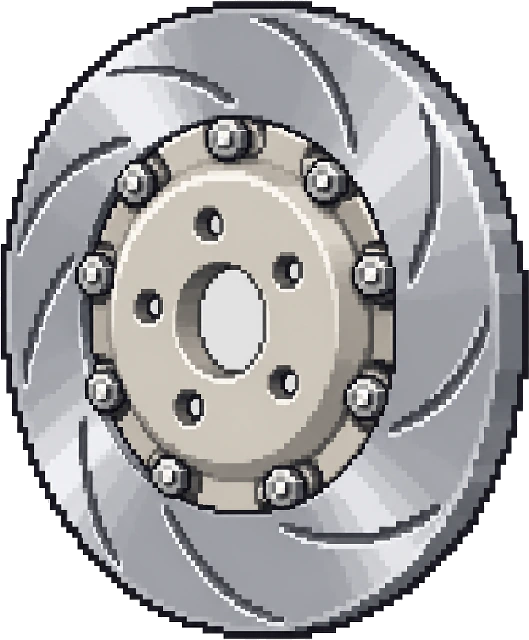
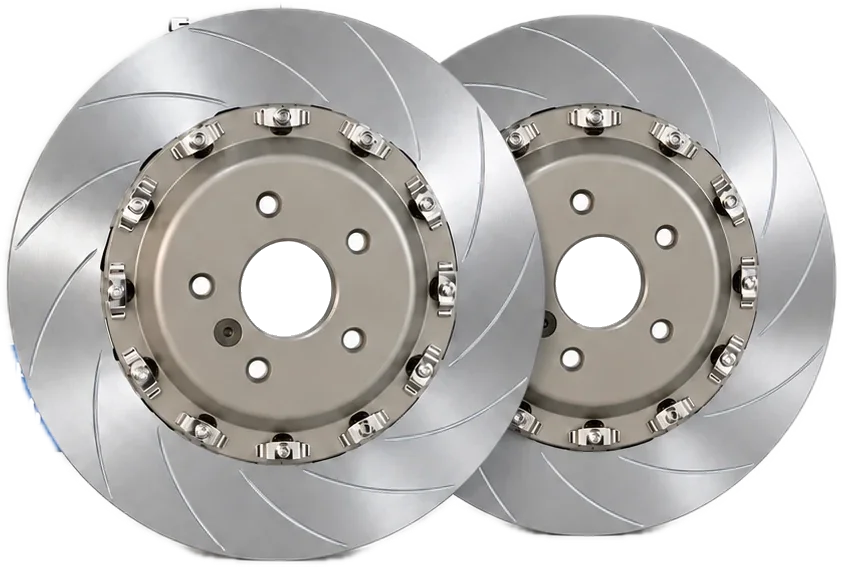
N145 two-piece disc, pixel artA pair of N145 two-piece discs, photographed

N145

One disc formula · Street and track

One disc formula for street and track: a high-carbon, high-alloy cast iron developed alongside NETZSCH race pads. It resists heat, wear and distortion under long, heavy braking.

Two-piece discDisc ringsOne-piece disc
Meet N145

Three steps to new pads

The lab boy with his flask

Mix

Answer three questions in the lab. You get one of seven formulas and every number behind it.

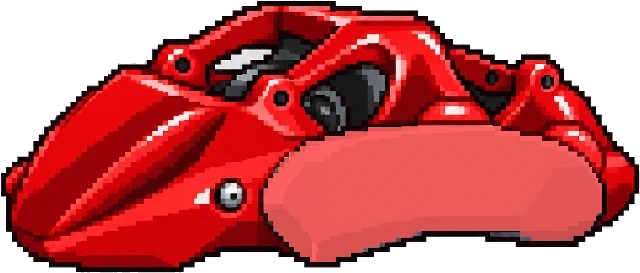
An NH-6 caliper

Match

Pick your caliper. The finder knows the NETZSCH pad shape for 270 race calipers, from AP Racing to Brembo.

The lab boy in a pink race suit, thumbs up

Order

Order that shape in your formula in the NETZSCH Store, or through a NETZSCH dealer.

Raced in 2025

The lab boy in a blue GT race suit holding a trophy

China Endurance Championship · CTCC China Cup · TCR Asia · GR86 Cup China · GR86 Cup Sepang · GIC Super Endurance · Chengdu Tianfu 4 Hours · Ningbo 718 4 Hours · Porsche Sports Cup · China GT Pingtan · Lynk & Co Cup · Zhuhai International Circuit · Zhuzhou International Circuit · Inje Speedium · Nürburgring Nordschleife · KTM X-Bow Cup

RevX Racing · Luminous Sports · Qidu Racing · Bonu Racing · Hanting Racing · JKS Boyi · NewStarRacing · SCHOOL Garage · Xiongji Racing · Lifeng Racing · Leo Racing

Built like race parts

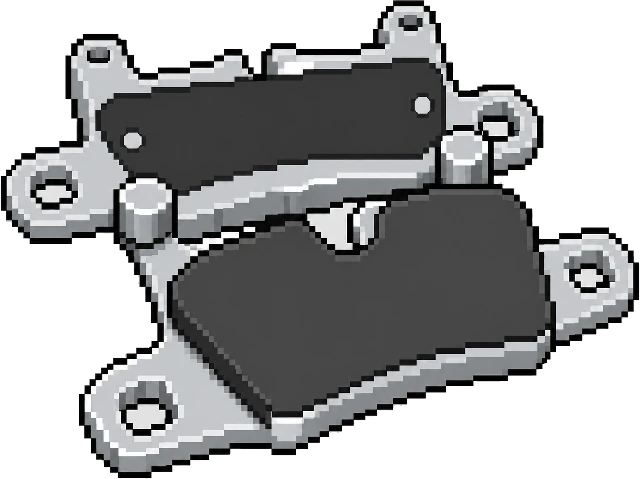
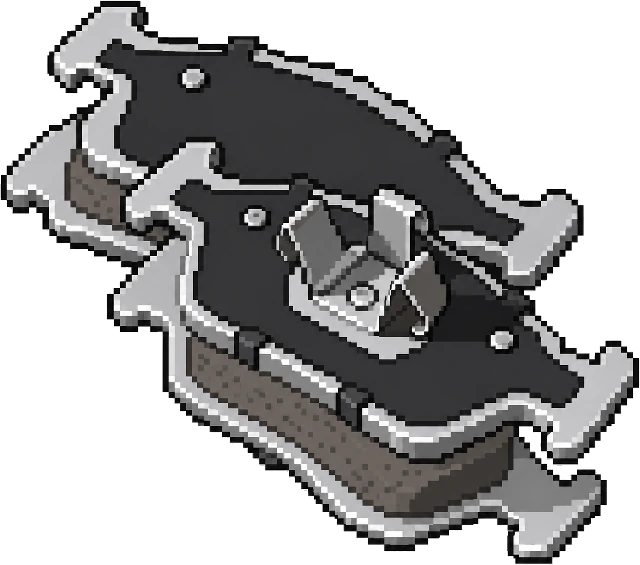
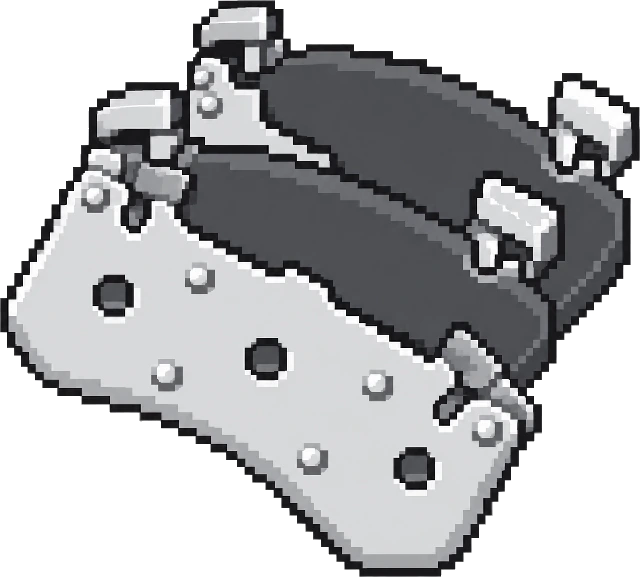
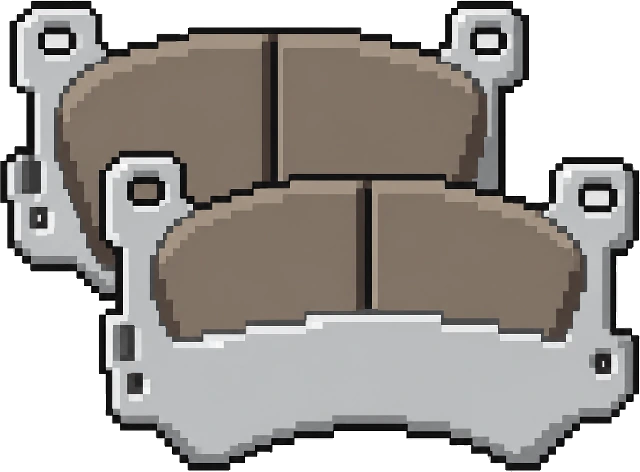
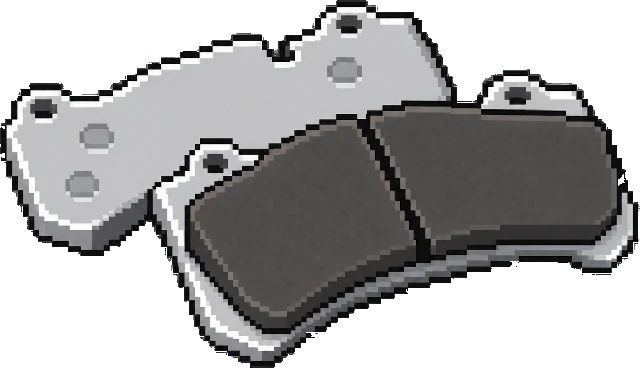
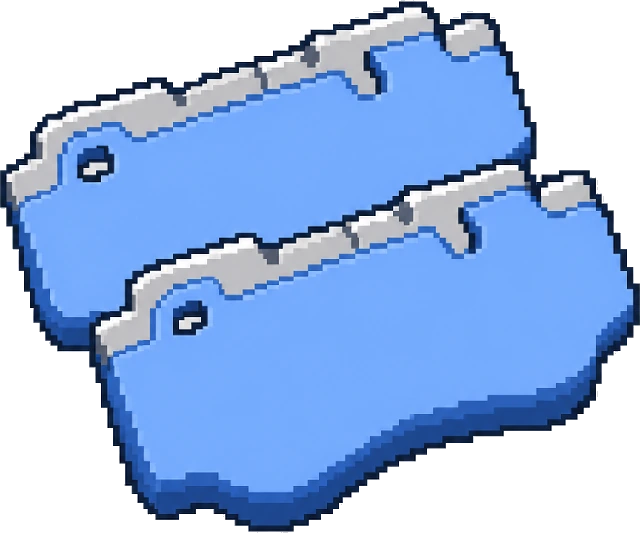
Race pads use a stainless alloy-iron backing plate for strength and response, laser cut to shape, with welded studs that hold the friction block so it cannot let go. The raw materials are chosen for heat and wear, so the pad keeps delivering under load.

Alloy-iron backing plate

Alloy-iron backing plate

Stainless alloy iron instead of mild steel, for strength and a sharper response.

Forged 7075 calipers

Forged 7075 calipers

One-piece, asymmetric, pressure-tested well beyond service pressure.

High-carbon alloy discs

High-carbon alloy discs

N145 iron resists heat, wear and distortion under long braking.

Laser cut, welded studs

Laser cut, welded studs

The friction block is held by welded studs so it cannot let go.

Tested curves

Tested curves

Every formula's friction is measured from 100 to 1000°C.

Kind to ceramic

Kind to ceramic

NC6 is made so it will not wear an expensive carbon ceramic disc.

Pixel-art city street at dawn after rain, a car waiting at a red lightPixel-art mountain road with hairpins at golden hourPixel-art race track at night, a GT car braking with glowing discs